Why Losing Money Feels More Exciting Than Winning It
advertisement
In the realm of elite finance, where consistent progress is often viewed as a given, a contradiction exists: the excitement of a losing situation frequently eclipses that of a winning one. This isn't a matter of being reckless, but rather a nuanced relationship involving psychology, self-image, and the peculiar aspects of wealth management that resonate strongly with individuals who are familiar with substantial financial risks.
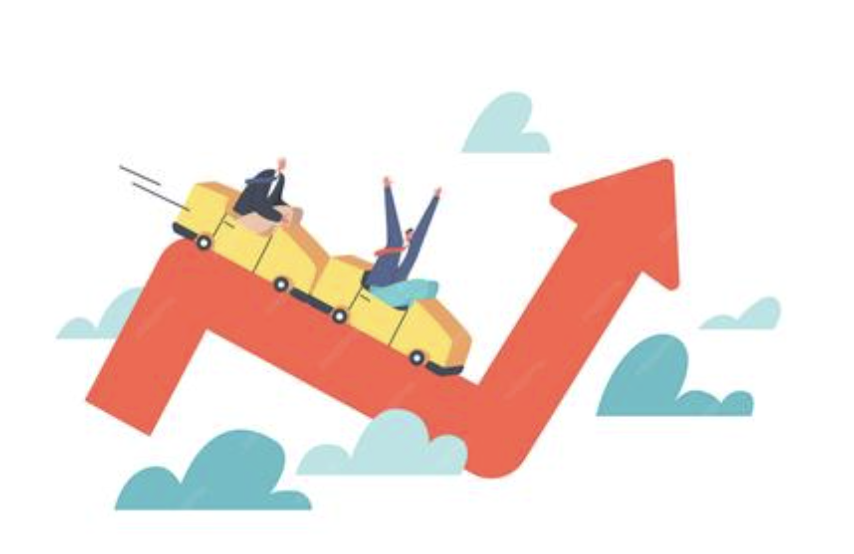
Losses evoke significantly more intense emotional reactions compared to similar gains because of natural human loss aversion. An unexpected financial drop enhances concentration, incites strong adrenaline reactions, and ignites immediate contemplation and strategic modifications, whereas consistent profits tend to appear anticipated and lack excitement. This notable emotional disparity causes financial losses to be unexpectedly more impactful and unforgettable than straightforward, comfortable successes in high-pressure investment situations.
The Illusion of Control in Loss
Winning investments usually come across as effortless victories—merely luck or favorable market trends aligning with a secure approach. In contrast, losses ignite a powerful urge to reclaim control. For individuals with considerable wealth, a failing trade isn’t merely a figure; it represents a test of their skills, prompting them to analyze every facet, tweak strategies, and reaffirm their dominance over their investment holdings.
Loss Aversion’s Hidden Thrill
Conventional discussions on loss aversion emphasize the discomfort, but the opposite aspect is exhilaration. The brain reacts to losses with greater intensity compared to gains, activating emotional areas that produce a heightened feeling of excitement. This emotional state, often confused with stress, is perceived as thrilling by experienced investors, who flourish on the emotional rush of reversing a loss.
Identity Tied to the Comeback
Wealthy individuals frequently assess their achievements through their ability to bounce back, not solely through their riches. A loss morphs into a story of recovery—demonstrating their capacity to navigate difficulties and rise stronger. The excitement does not derive from the loss per se but from the expectation of a comeback, which bolsters their self-perception as astute, resilient investors.
Novelty in the Unexpected
Winning trades, especially those that are predictable, can become tedious. Losses bring about uncertainty, a refreshing change that invigorates the mind. For investors accustomed to low-volatility and well-managed portfolios, the unforeseen shock of a loss disrupts routine and fosters an engagement that steady profits seldom provide.
Sunk Cost as a Motivational Fuel
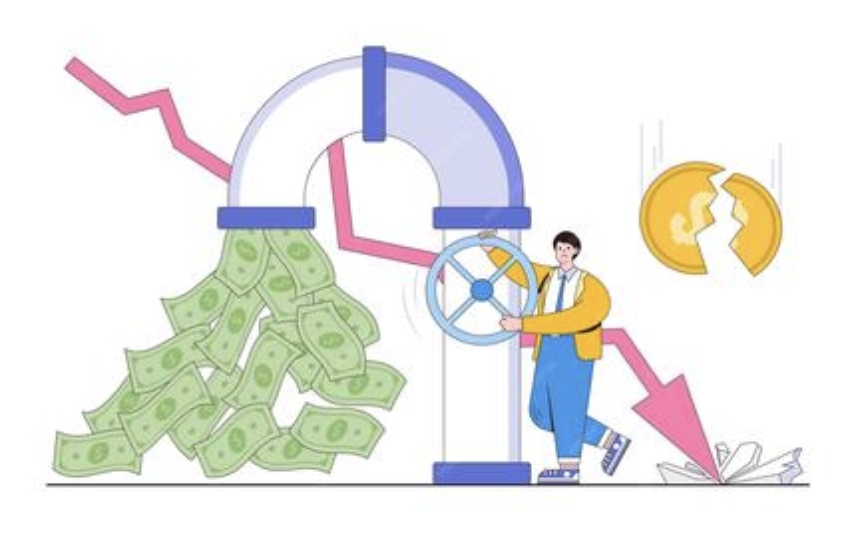
In contrast to smaller investors, those with substantial financial power can withstand losses, transforming sunk costs into a source of motivation. The more they pour into a losing venture, the deeper their emotional investment—each extra commitment heightens the thrill of a possible recovery since the satisfaction of reversing losses feels significantly greater than a simple initial profit.
Social Status in Risk-Taking
Within high-end financial circles, strategic risk-taking is seen as a mark of status. Acknowledging a loss and striving to recover demonstrates confidence and daring, setting them apart from more cautious counterparts. Thus, the adrenaline associated with a losing situation also serves as a subtle assertion of financial acuity and bravery.

This occurrence does not revolve around glorifying defeat, but rather about comprehending how wealth alters emotional reactions to risk. For those equipped to handle losses, the excitement lies in the challenge, the narrative, and the opportunity to reaffirm their expertise—transforming the experience of loss into something not only manageable but also exhilarating.
(Writer:Dirick)
Related Articles