Are You an Emotional Spender?
advertisement
For those who frequently engage in luxurious living, the ability to differentiate between purposeful buying and emotional expenditure has turned into a nuanced yet vital capability. Emotional expenditure, which is frequently masked as "justifiable luxury" within wealthy circles, goes beyond simple impulsive buying—it represents a subconscious effort to manage anxiety, pursue affirmation, or address emotional voids. Identifying its concealed forms and learning to provide sensible direction guarantees that spending becomes a means of satisfaction rather than an unnoticed drain on financial resources.
The Hidden Face of Emotional Spending in Affluent Lifestyles
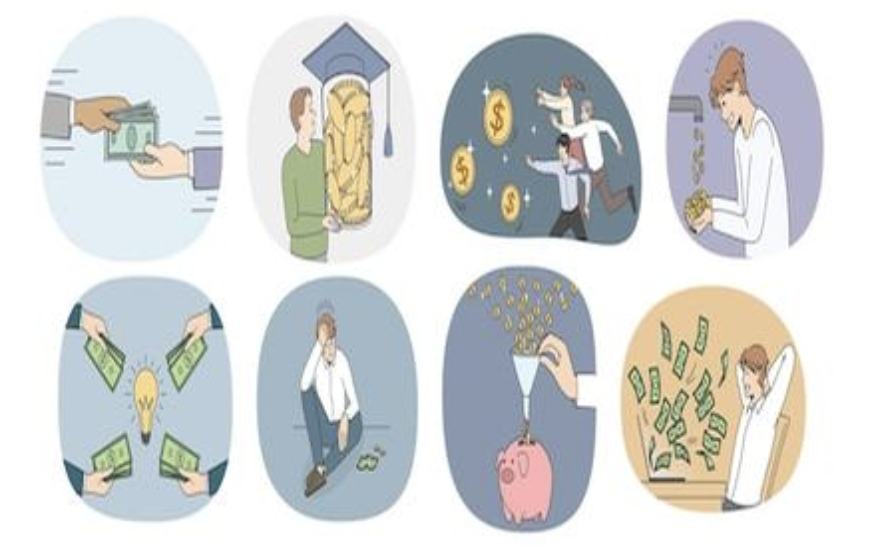
Emotional expenditures among wealthy individuals seldom take the form of careless impulse purchases. Rather, they often present themselves in lavish ways: maybe a sudden rental of a private jet following a challenging quarter, acquiring exclusive luxury items to blend into elite social settings, or giving lavish presents as a way to counteract feelings of guilt. Such acquisitions are rationalized as a component of their lifestyle, concealing their emotional origins. Unlike typical emotional spending, these transactions come with heftier price tags, amplifying their potential long-term effects on one's financial standing.
Intentional Consumption vs. Emotional Spending: The Blurred Line
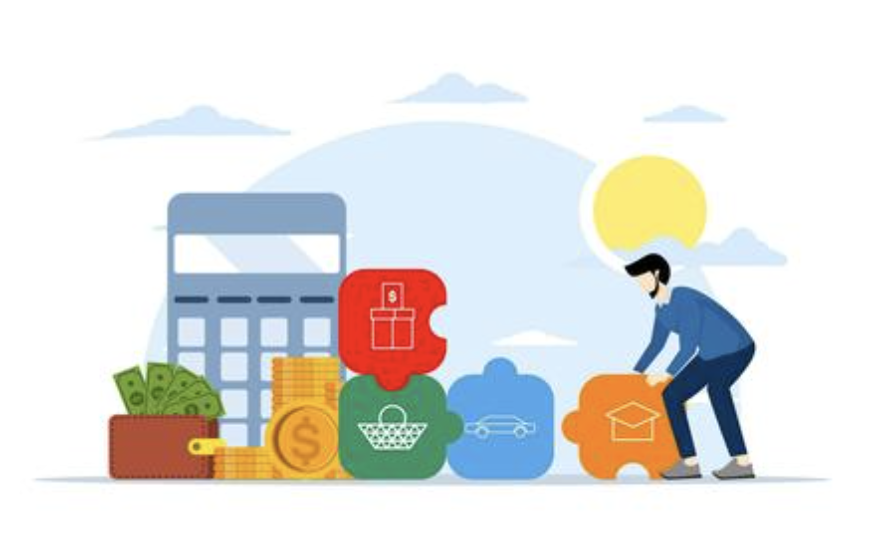
The distinction between purposeful premium purchases and emotional expenditures is frequently indistinct. Purposeful consumption is grounded in aligning with one’s values—selecting luxury goods based on craftsmanship, functionality, or enduring worth. Conversely, emotional spending is motivated by transient feelings, with minimal thought given to lasting utility or value preservation. This differentiation is vital for affluent buyers: intentional purchases elevate quality of life, while emotional expenditures can lead to regret and a gradual erosion of wealth.

Establishing rational boundaries does not imply forsaking premium living; it indicates that emotional spending should be done with mindfulness. Individuals who spend significantly might create periods for reflection before making major purchases, ensuring their spending aligns with essential values (for instance, valuing experiences more than possessions), and designating a specific "indulgence budget" to meet emotional wants without exceeding limits. These boundaries allow enjoyment in spending while safeguarding it against becoming a financial burden.
Turning Emotional Needs into Non-Consumer Solutions
Tackling the emotional causes behind spending is more beneficial than simply imposing restrictions. Rather than relying on purchases to manage stress or seek approval, high-spending individuals could explore non-consumer options: attending exclusive wellness retreats for alleviation, participating in networking events for social engagement, or involving themselves in philanthropic activities to discover purpose. These alternatives address emotional needs more profoundly than material possessions, lessening the inclination for emotional spending while enhancing overall life experiences.
Wealth Preservation: The Hidden Benefit of Mindful Consumption
Mindful consumption—differentiating emotional spending from intentional purchases—significantly influences wealth retention. For individuals with high net worth, even infrequent emotional spending can compound to create considerable financial loss over time. By limiting unnecessary emotional expenditures, they can allocate resources toward long-term investments, such as real estate or private equity, which facilitate wealth growth. This transformation shifts consumption from a potential risk into a strategic aspect of managing wealth.

Ultimately, for those who spend significantly, the inquiry "Are you an emotional spender?" does not aim to criticize indulgence but to cultivate awareness. Emotional spending is not automatically detrimental, yet unacknowledged emotional spending can hinder both satisfaction in life and financial stability. By recognizing their emotional triggers, implementing rational boundaries, and pursuing emotional fulfillment through non-consumer avenues, affluent individuals can relish premium lifestyles while ensuring their consumption aligns with, rather than detracts from, their long-term objectives.
(Writer:Haicy)
Related Articles