Technology’s Divide: Why Wealth Gaps Widen
advertisement
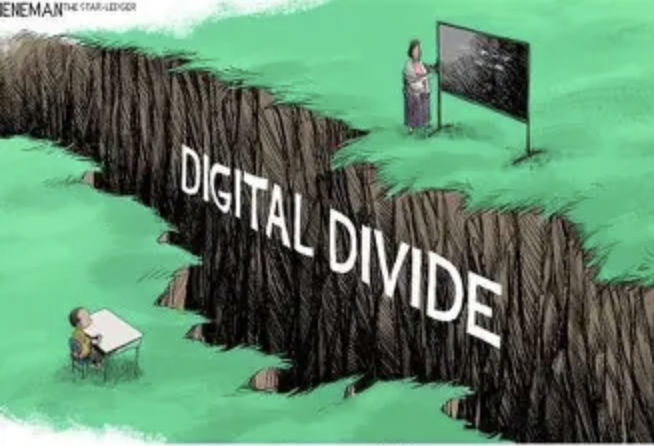
The era of digital transformation has altered the landscape of wealth generation, yet its advantages are not evenly shared. While some individuals thrive amidst advancing technology and enjoy financial gains, others become ensnared in a situation of inertia—often not out of choice, but due to the unseen obstacles posed by technology itself. For those already in a position to take advantage of innovation, the disparity only continues to widen, influenced by factors that extend far beyond the simple dichotomy of "effort versus indolence."
The "AI Elite" Obstacle
Currently, the chasm of wealth is increasingly characterized by the availability of AI's fundamental assets: investment funds, computational power, and high-grade data. Establishing basic AI frameworks demands billions in funding, a bar that is unattainable for most individuals. Those who possess the resources to sponsor or collaborate on such projects amass the majority of AI-related profits, while the rest find themselves relegated to merely utilizing AI instead of benefiting from its inherent worth.

Data as a Source of Wealth Concentration
Data serves as the engine powering contemporary technology, yet its ownership is highly unequal. Wealthy individuals and their investment entities frequently possess interests in firms that manage extensive datasets—including information on user interactions and industrial trends. This data “flywheel” triggers a self-perpetuating loop: increased data results in superior AI, which in turn draws in more users and profit, effectively excluding those who arrive late.
The Concealed Cost of Technology Reliance
Although technology streamlines everyday tasks, it also brings hidden expenses that enhance inequality. For individuals with scarce resources, maintaining essential technology—such as fast internet connections and updated gadgets—can become a financial strain. On the other hand, wealthier groups leverage technology to maximize investments, lower expenses, and tap into exclusive prospects, transforming dependence into leverage.
The disparity is not merely about technology usage, but also about the ability to influence its development. General discussions often center around basic digital skills, but substantial wealth growth stems from acquiring specialized, high-demand tech abilities—like AI prompt engineering, blockchain application, or biotechnology investment assessment. Mastering these skills necessitates access to top-tier education and networks, which remains unavailable for a significant number of people.
Technology Giants Hinder Advancement
Technological progress often results in monopolistic structures, as leading companies deploy their resources to eliminate competition. This consolidation directs wealth towards a narrow set of stakeholders, while aspiring innovators find it challenging to advance. Even promising new ventures are frequently absorbed by larger tech companies, redirecting profits to the elite instead of fostering new avenues for others.

The Myth of "Accessible Technology"
There is a common belief that technology provides equal opportunity, but for many, this assertion rings false. Free applications and internet resources offer basic accessibility, but the true benefits—such as access to funding, mentorship, and proprietary technologies—remain tightly held. Wealthy individuals harness their social circles to secure early entry into emerging tech innovations, turning minor advantages into substantial wealth.
Technology itself is not inherently divisive; however, its current distribution and utilization amplify pre-existing disparities. For those who are already affluent, it acts as a formidable instrument of growth; for others, it remains an obstacle. Recognizing this divide is the initial step toward addressing it—and ensuring that advancements in innovation serve a broader segment of society rather than just the elite few.
(Writer:Lily)
Related Articles