How Sophisticated Investors View Risk
advertisement
Risk is frequently viewed as a danger that should be avoided. However, for experienced investors, it serves as a complex, actionable factor—neither something to fear nor pursue, but rather to comprehend, measure, and utilize. Their understanding of risk significantly contrasts with that of typical investors, who often link it to possible losses. For those with considerable financial resources, interpreting risk strategically is fundamental; it distinguishes individuals who maintain their wealth from those who expand it.

Risk as Insight, Not Danger
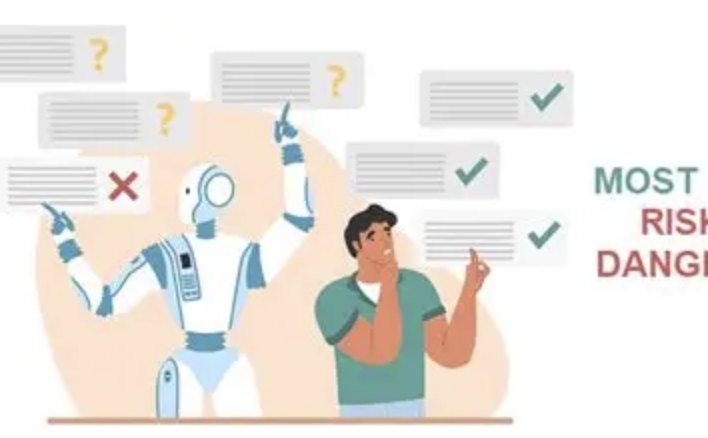
Investors at a high level regard risk as a vital source of insight, rather than an obstacle. Instead of steering clear of risky investments, they analyze risk to discover concealed prospects—such as interpreting regulatory ambiguity in a specific sector as an indication to invest prior to widespread acceptance. This transformation allows risk to act as a guide for decision-making, rather than restricting it.
Diversifying Risk Beyond Asset Categories
They advance beyond mere asset diversification to broaden their risk itself. Experienced investors distribute risk across unrelated elements—market fluctuations, geopolitical influences, and liquidity characteristics—instead of only focusing on stocks and bonds. This method prevents a single risk factor (such as rate increases) from undermining the portfolio as a whole.
For top-tier investors, risk is not one-size-fits-all; it is individualized. They determine "acceptable risk" by aligning it with personal life objectives rather than relying on market standards. A person nearing retirement may see short-term fluctuations as intolerable, while a younger investor may favor long-term benefits through acceptance of higher-risk, high-reward ventures. This risk framework, aligned with goals, steers clear of impulsive, emotion-driven choices.
Risk Management: Creating Strong Buffers
Rather than attempting to eliminate risk, they develop mechanisms to withstand it. Astute investors create layered buffers—cash reserves, hedging methods, and assets with low correlation—that lessen the effects of negative events. This enables them to hold risky assets without worrying about significant losses, transforming resilience into a competitive advantage.
These safety nets provide the ability to endure until strong opportunities arise rather than responding impulsively due to anxiety. By protecting their investments from immediate disturbances, they remain calm during turbulent market conditions and seize advantages that less equipped investors miss out on.
Risk Arbitrage: Gaining from Misleading Uncertainty
They take advantage of risk arbitrage—spotting discrepancies between perceived risk and actual risk. When markets inflate anxiety (as seen when undervaluing assets during a regional crisis), seasoned investors intervene, purchasing assets where the perceived risk surpasses the genuine risk. This opposing strategy converts market fear into financial gain.
Risk for Legacy: Safeguarding Wealth for Future Generations
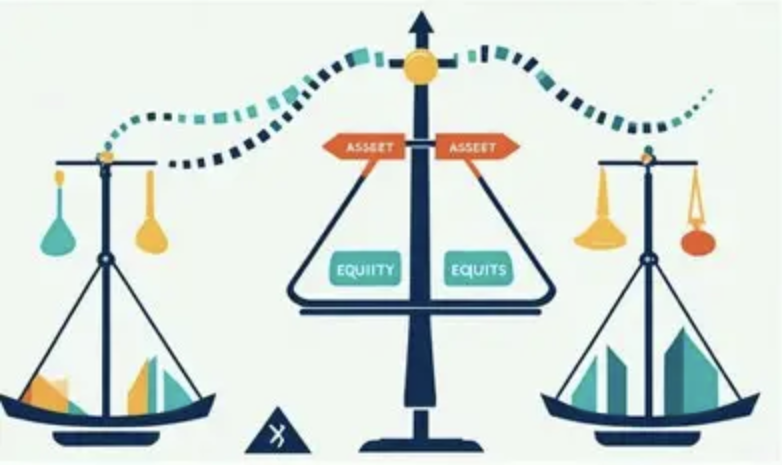
High-profile investors assess risk with an eye on future generations, focusing on threats to lasting wealth. They address "silent risks"—inflation, regulatory changes, and familial disagreements—that can diminish wealth over extended periods, even if they do not cause immediate financial loss. This long-term emphasis on risk ensures that wealth persists beyond a single generation.
Savvy investors do more than merely supervise risk—they transform it. For individuals with substantial wealth, this viewpoint changes unpredictability into potential, resilience into a strategic advantage, and momentary fluctuations into sustainable profits. By perceiving risk as a strategic asset rather than a liability, they maneuver through markets confidently, both preserving and enhancing wealth through various cycles.
(Writer:Ganny)
Related Articles