Over-Consumption: Why Anxiety Grows With Spending
advertisement
Luxury acquisitions and frequent expenditures are frequently regarded as indicators of achievement, yet numerous individuals with substantial financial means discover themselves ensnared in a repetitive loop: as they consume more, their feelings of unease increase. This contradiction does not stem from feelings of guilt, but rather from underlying economic pressures and psychological factors closely linked to the management of wealth. For individuals familiar with opulence, excessive consumption intensifies anxiety by altering financial priorities, diminishing financial resilience, and creating a disconnect between spending behaviors and future security.
Affluent individuals frequently encounter the pressure to uphold a "status lifestyle," which results in spontaneous luxury acquisitions that deplete liquid resources. What initially seems like a reward—such as a limited-edition timepiece or an opulent residence—rapidly transforms into a financial liability. These expenses immobilize funds that could otherwise contribute to investments in growth opportunities, providing little safeguard against market declines and heightening concerns regarding future financial stability.
Inflated Lifestyle Creep Eats Into Wealth
In contrast to incremental lifestyle enhancements, high earners often undergo sudden "lifestyle creep"—increasing their spending at a rate that outpaces their income growth. This phenomenon is exacerbated by social comparisons and meticulously curated posts on social media, compelling them to invest in premium services, elite memberships, and luxury assets that require significant upkeep. Over time, fixed costs escalate, leaving less flexibility for financial choices and fueling anxiety about sustaining their lifestyle.
Hidden Costs of Luxury Consumption
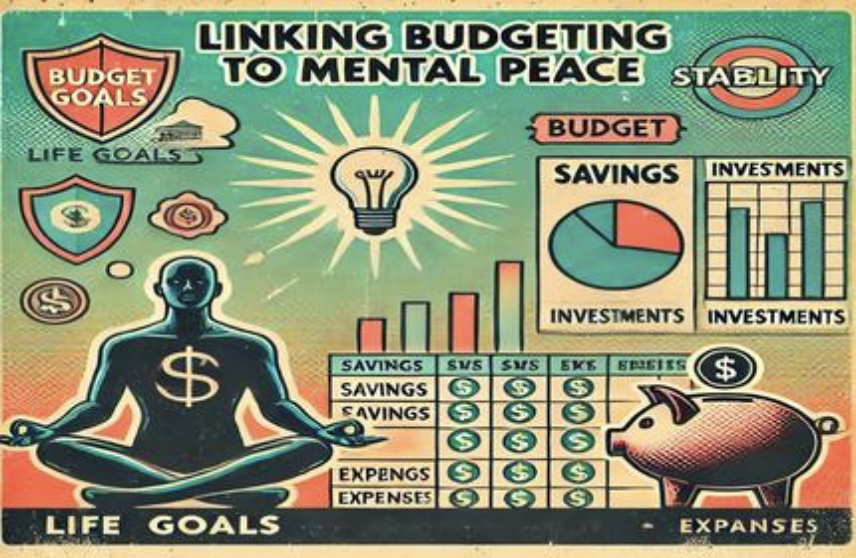
Numerous high-end purchases come with unexpected financial responsibilities that amplify anxiety. Ownership of a luxury yacht incurs continuous maintenance expenses; a designer wardrobe necessitates professional attention; memberships to exclusive clubs often renew automatically with high annual fees. These concealed costs are frequently neglected amidst the excitement of acquisition, but they silently diminish wealth, leading to stress about burdensome ongoing payments.

Consumption vs. Investment: Misaligned Priorities
Anxiety frequently arises from an imbalance between spending and investing. High earners may favor immediate gratification over prolonged wealth accumulation, causing them to overlook potential compound returns. When it dawns on them that excessive expenditures have postponed retirement objectives or diminished investment portfolios, feelings of guilt and anxiety emerge—concerns regarding outliving their financial resources or forfeiting economic independence.

Emotional Spending Masks Financial Insecurity
Numerous high-spending decisions are influenced more by emotions than by rational thought. Impulsive purchases made to alleviate stress, celebrate accomplishments, or conform can create a repetitive cycle: spending may provide temporary relief from anxiety, yet the ensuing financial strain rekindles it. This emotional cycle can leave individuals feeling as though they have lost control over their finances, heightening anxiety concerning their wealth management abilities.
Social Pressure Amplifies Financial Anxiety
In affluent communities, social networks often focus on overt consumption. The necessity to keep pace with peers—whether through luxury vacations, upscale properties, or exclusive experiences—drives continuous expenditures. The fear of being perceived as "lagging behind" generates persistent anxiety, as individuals place greater importance on maintaining appearances rather than making prudent financial choices.
Breaking free from this cycle necessitates distinguishing status from expenditures and aligning consumption with financial aspirations. For those with substantial income, alleviating anxiety entails concentrating on purposeful spending, emphasizing investments over reckless purchases, and understanding that genuine financial security is rooted in wealth resilience rather than temporary luxury.
(Writer:Frid)
Related Articles