The Most Dangerous Lifestyle for the Middle Class
advertisement
The middle class is frequently perceived as secure, featuring nice houses, consistent salaries, and the means to enjoy luxuries; however, a serious risk lurks beneath this facade. Numerous well-paid individuals within the middle class unknowingly embrace lifestyles that undermine their financial stability, ensnaring them in a pattern of exerting more effort while failing to create enduring wealth. These hazardous behaviors, connected to financial naivety and misplaced priorities, are often not evident, yet they present a more significant danger than economic downturns or unforeseen expenses.
Living on "Illusory Wealth" Rather Than Actual Assets
A prevalent misstep involves equating lifestyle with wealth: owning expensive cars, residing in affluent areas, and eating at high-end restaurants—all maintained through substantial incomes rather than savings or investments. This "illusory wealth" depends on a reliable paycheck; if earnings decline, the way of life collapses. In contrast to genuine wealth derived from investments or passive income, this superficial ease provides no safety net, transforming what seems to be a stable middle-class existence into a precarious situation.
Numerous high-earning members of the middle class anchor their financial well-being to a single job or income source, viewing it as an everlasting support system. They make little effort to diversify their income streams, presuming that their employment will remain secure. Nonetheless, layoffs, changes in the industry, or medical issues can annihilate that source of income in an instant. This excessive dependence is perilous since there is no alternative; even a generous salary can become a risk if it is the sole avenue of income.
Equating Debt with Strategic Empowerment
The middle class frequently resorts to debt to sustain their lifestyle, misinterpreting it as a form of strategic empowerment. Credit cards, personal loans, and substantial mortgages are employed to keep a particular way of life, rather than to invest in revenue-generating assets. Unlike effective leverage (which is used to enhance wealth), this consumer debt chips away at income, establishing a repayment cycle that hinders both savings and investments—gradually depleting financial resources over time.
Overlooking "Hidden" Financial Erosion
Minor, ongoing expenses—subscriptions, unused memberships, impulse buys, and overpriced insurance—serve as undetected erosions of middle-class wealth. These expenses may be easily ignored, yet they accumulate, siphoning money away from savings and investments. Individuals in the high-earning middle class frequently overlook these leaks, believing their income is ample to manage them, but over ten years, these costs can erase substantial potential wealth.
Confusing Stability in Employment with Financial Stability
Employment security and financial security are distinct, yet many high-earning individuals in the middle class fail to see the difference. A reliable job brings in income but doesn't ensure wealth. Those who depend solely on job security often neglect to build emergency funds, invest in assets, or cultivate secondary income sources. When job security diminishes—due to trends like automation, industry contraction, or corporate layoffs—they lack a contingency plan to rely on.
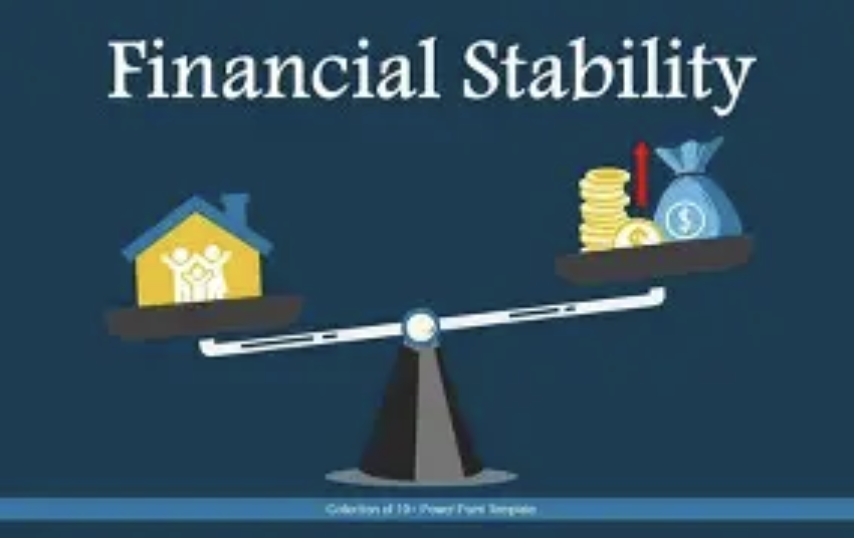
The riskiest middle-class way of living is not characterized by abundance, but rather by a sense of self-satisfaction. This is the assumption that a substantial salary guarantees security, that borrowing is insignificant, and that immediate pleasure is more important than enduring stability. For middle-class persons with significant earnings, getting out of this situation requires exchanging shallow comforts for authentic prosperity—valuing assets over lifestyle choices, variety over dependence, and endurance over immediate rewards.
(Writer:Tick)
Related Articles