Humanity’s Inborn Investment Gap: Tech Reveals the Truth
advertisement
Many affluent individuals take pride in their capacity to maneuver through intricate markets; nevertheless, even the most experienced investors frequently struggle to achieve consistent profits. The fundamental issue lies not in inadequate strategies or a lack of thorough research, but in a biological disconnect between human thought processes and the requirements of contemporary investing—one that innovative technology is just starting to address. Our brains, which evolved over thousands of years to prioritize survival, are poorly suited to handle the fast-paced, data-driven complexities present in today’s financial landscape, and technology is revealing this disparity with remarkable precision.

Neuroscience advancements, such as functional magnetic resonance imaging (fMRI), have revealed an essential insight: the human brain favors immediate safety over future benefits. When confronted with unpredictable market changes, the amygdala—responsible for fear—activates, leading to hasty actions like selling stocks, despite the fact that holding on could result in better returns. This instinctual response was advantageous for our ancestors in evading danger, yet it undermines investment success in a realm that rewards patience.
Technology Reveals Our Cognitive Limitations
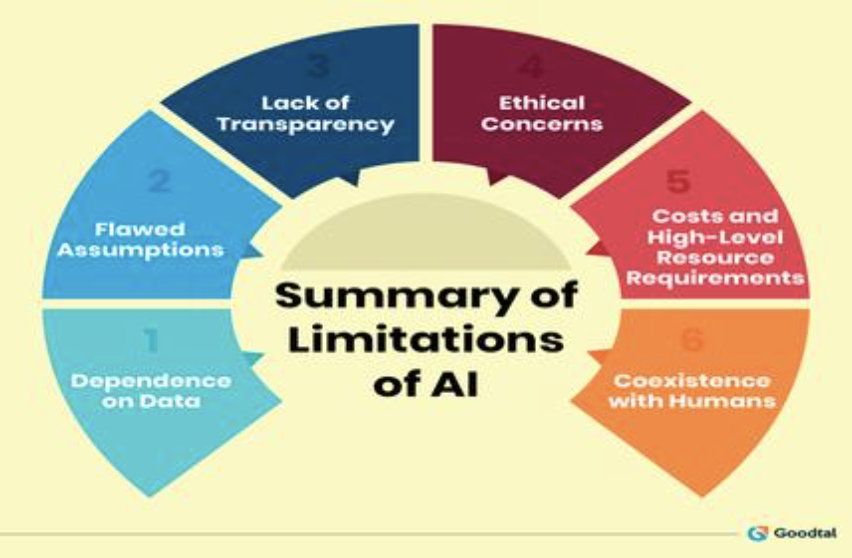
Artificial intelligence (AI) systems created to evaluate investor behavior have pinpointed systematic biases that wealthy people are unable to escape. In contrast to humans, AI does not become emotionally attached to investments and is free from confirmation bias—the inclination to seek evidence that supports preexisting opinions. A 2024 research by Capgemini revealed that 65% of affluent individuals acknowledge that biases distort their decision-making, a flaw that AI easily bypasses.
Neuroplasticity Has Its Boundaries
Although some believe that we can enhance our investment skills through brain training, neuroplasticity—the brain's capacity to reorganize itself—has its limitations. Tools designed for neurofeedback, which track brain activity to help lessen emotional responses, demonstrate little lasting effect. Our biological predisposition for immediate gratification and aversion to risk remains, making it challenging to maintain rationality consistently, even among the financially savvy.
Technology Enhances Our Innate Weaknesses
Ironically, the same technology that reveals our investment flaws can also exacerbate them. Algorithms on social media and instant market notifications stimulate the brain's reward pathways, fostering incessant trading and fear of missing out. This constant influx of information hinders logical decision-making, prompting even affluent investors to act impulsively, thereby diminishing their portfolios over time.
We Mistake Technological Skill for Investment Acumen
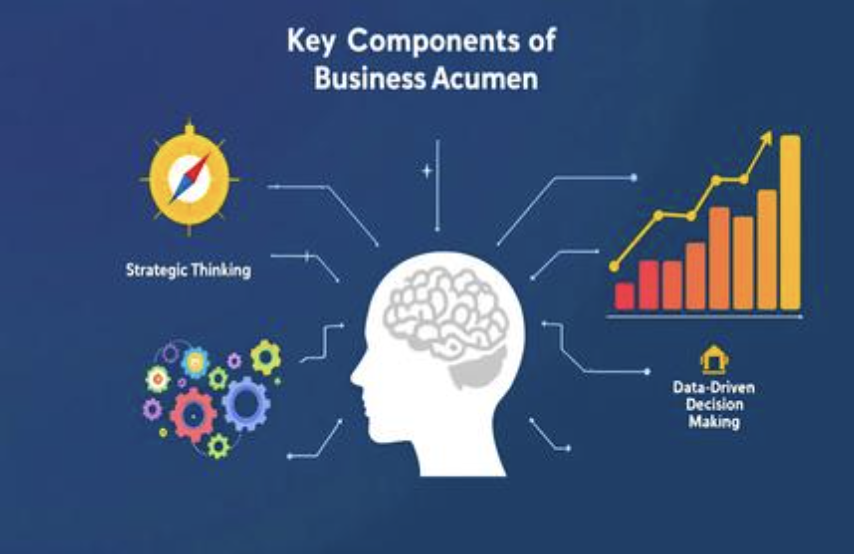
Numerous wealthy individuals confuse their ability to navigate financial tech platforms with genuine investing expertise. Being adept at utilizing AI-driven trading systems or interpreting data dashboards does not negate our inherent biases. While technology can offer valuable insights, it cannot change the fundamental instincts of the brain—leaving even the most technologically adept investors susceptible to expensive errors.
The main point is not that individuals need to steer clear of investing, but rather that we should recognize our inherent biological constraints. Technology serves not merely as an investment instrument but also as a reflection of our brains' inadequacies for this endeavor. By accepting this reality, wealthy individuals can leverage technology to enhance their decision-making, rather than substitute it, transforming their natural vulnerabilities into advantages.
(Writer:Ciki)
Related Articles