Cognitive Biases Behind Financial Behaviors
advertisement
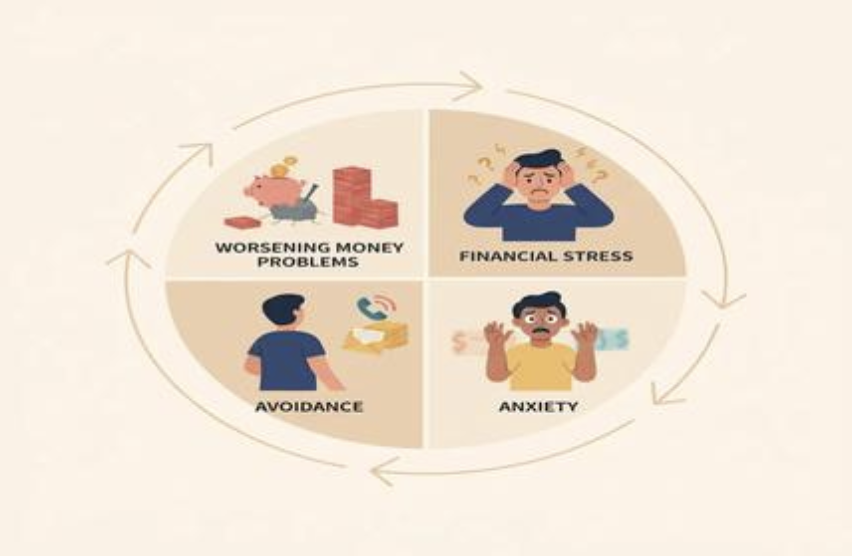
Every financial choice—from how investments are allocated to managing risks—is subtly influenced by cognitive biases, which are hidden mental shortcuts that skew judgment. Even affluent individuals, despite having access to top-tier advice and resources, are often unaware of falling victim to these biases. These biases do not merely result in small errors; they can deplete wealth, cause missed chances, and alter financial paths. Grasping the cognitive biases affecting financial behaviors goes beyond mere self-awareness; it is an essential part of making deliberate and strategic decisions that correspond with long-term wealth aspirations.
Ambiguity Aversion: Fear of the Unquantifiable
Wealthy investors typically shun assets that possess uncertain risks—like early-stage startups or niche alternative investments—because of their ambiguity aversion. This tendency prompts them to prefer "known" risks (such as established public equities) rather than potentially more rewarding assets with unpredictable outcomes. Although this approach appears secure, it restricts the diversity of portfolios and confines returns to suboptimal levels, as the most profitable opportunities frequently exist in uncertain, untested markets.
Status Quo Bias: Stuck in Default Positions
The status quo bias causes high-net-worth individuals to keep their current investment strategies, even with changing market dynamics. They are hesitant to rebalance their portfolios or divest from poorly performing assets, clinging to the security of "the way things are." This bias can be especially detrimental during market fluctuations—for instance, retaining falling luxury real estate instead of shifting investments to expanding sectors—transforming complacency into a gradual loss of wealth.
Anchoring Bias: Fixated on Irrelevant Reference Points
Numerous wealthy investors tie their decision-making to irrelevant benchmarks—like an asset’s previous peak value or a friend's returns on investments. This bias complicates valuation: they might hesitate to sell a lagging asset due to an attachment to its historical high, or excessively invest in a sector because of a peer’s achievements. Anchoring obstructs their view of present market facts, causing irrational choices that diminish value.
Hindsight Bias: Rewriting Past Decisions
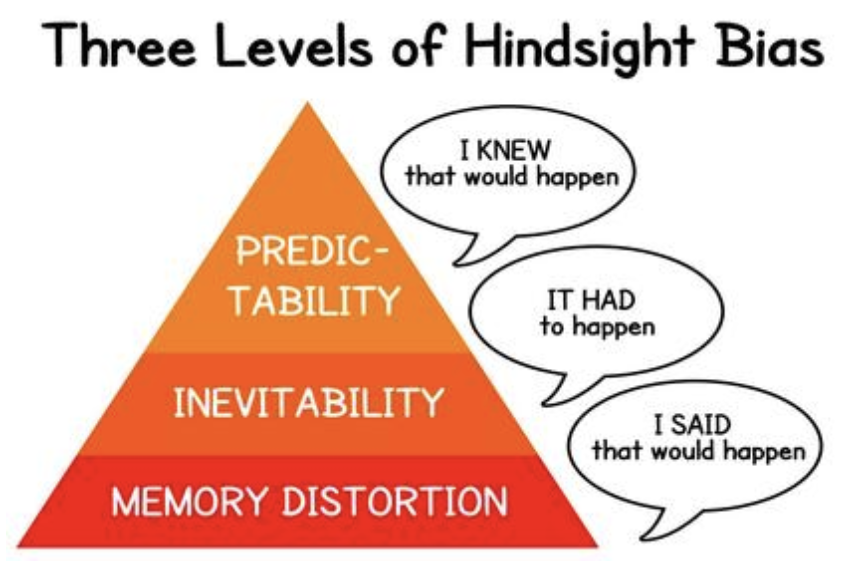
Hindsight bias leads investors to feel they "knew it all along" after an outcome occurs—altering their perception of prior choices. Affluent individuals may overrate their ability to foresee market movements, resulting in overconfidence about future decisions. For instance, they might credit a profitable investment to their skill (instead of luck) and take on undue risks, oblivious to how hindsight has changed their recollection of the decision-making process.

Wealthy investors frequently succumb to social proof bias, imitating the choices of other high-net-worth individuals or prestigious institutions. They tend to think that "if others are allocating resources there, it must be favorable," neglecting essential due diligence. This tendency results in herd behavior—investing heavily in inflated assets (like speculative digital currencies or high-end startups) and enduring losses when the majority withdraws, converting social influence into financial danger.
Loss Aversion 2.0: Overprotecting Small Losses
Although loss aversion is commonly recognized, affluent investors display a more refined version: excessively safeguarding minor losses at the expense of significant gains. They might divest a slightly underperforming asset to avert a trivial loss while retaining a rapidly declining asset due to denial. This asymmetric reaction to gains and losses disrupts long-term strategies, valuing short-term emotional stability over the growth of wealth.
Cognitive biases are not imperfections; they are natural components of human judgment. For individuals with substantial wealth, the answer is in acknowledging these biases, establishing safeguards (such as rule-based investing and third-party advisory reviews), and distinguishing feelings from rational thought. By addressing these mental shortcuts, they can enhance their financial decisions, leading to the protection and expansion of their assets in the long run.
(Writer:Wanny)
Related Articles