How Finance Shapes Nations and Individuals
advertisement
Finance is not simply a mechanism for economic operations; it acts as the unseen force that influences a country's development, causing effects that reach even the wealthiest citizens. For example, sovereign wealth funds do more than just maintain a nation's assets; they strategically engage in global investments to secure political power and achieve lasting economic security. These financial strategies directly influence the portfolio values of high-net-worth individuals since sovereign investments frequently set trends in high-end real estate, private equity, and niche assets.

At the personal level, the availability of advanced financial instruments influences the accumulation of wealth over time and the ability to move upward in society. Effective economic strategies, reliable currencies, and clear investment guidelines enable individuals to secure their wealth, prepare for what lies ahead, and create wealth that can be passed down through generations. In contrast, the decline in currency value, rising prices, and erratic financial environments diminish savings and limit possibilities, illustrating how finance discreetly shapes both a country’s power and an individual’s success.
Monetary Policy: An Understated Influence on Personal Wealth
Decisions made by central banks, even if appearing remote, are significant tools that affect personal wealth. Adjustments to interest rates are just the beginning; actions like quantitative easing or tightening subtly change asset valuations—ranging from equities to collectible art. Wealthy individuals, different from regular depositors, must actively navigate these changes; a single shift in monetary policy could diminish the worth of a luxury real estate collection or enhance returns from foreign investments, making an understanding of policies vital for protecting wealth.
Global Capital Flows: Connecting National Wealth with Personal Prosperity
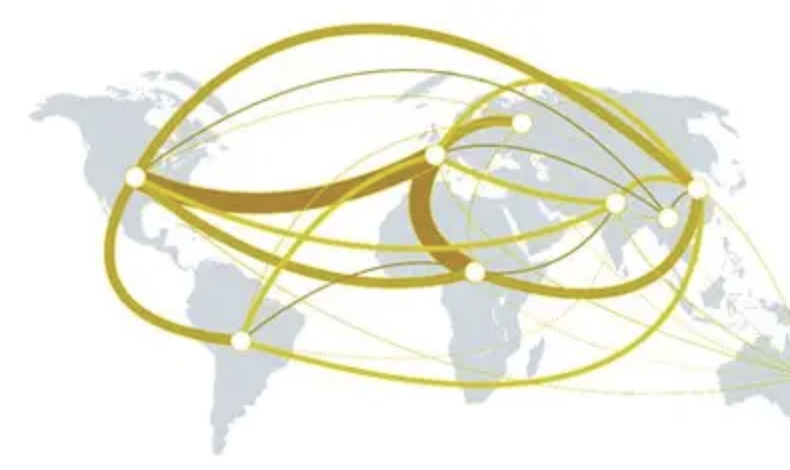
Movements of capital across borders create a mutually beneficial connection between countries and wealthy individuals. When a nation welcomes foreign investment, it draws affluent funds that stimulate domestic growth—while those investors obtain access to lucrative opportunities. For instance, infrastructure initiatives in emerging markets, supported by national incentives, provide unique returns for globally wealthy investors, linking a country’s progress with individual wealth growth.
Advancements in finance, such as cryptocurrencies or socially responsible investing, alter both national economies and individual financial strategies. Countries that adopt fintech gain an advantage, attracting skilled workers and investments—while wealthy individuals utilize these advancements to diversify beyond conventional assets. Unlike the average investor, high-net-worth individuals frequently explore new financial instruments, translating national innovation into personal wealth-creating avenues.
Risk Contagion: National Emergencies and Individual Wealth Resilience
Financial hazards cross national borders, merging the concepts of public stability and personal asset safety. A flagging sovereign debt situation or a currency drop in one nation can provoke instability across global markets, putting even well-balanced portfolios at risk. Wealthy persons need to cultivate resilience by aligning their investments with nations that possess strong financial health, incorporating national risk evaluation into core wealth management strategies.
Wealth Taxes: Navigating National Requirements and Personal Heritage
Public taxation policies, especially those concerning wealth, create a clear conflict between the necessity for government revenue and the desire to protect individual wealth. Governments leverage these taxes to support public services, while affluent individuals may respond by arranging their assets through trusts or offshore accounts. This interplay pressures nations to craft equitable and competitive tax structures—while wealthy individuals adapt to safeguard their legacies, fostering a mutual evolution between national financial policies and personal strategies.
(Writer:Tommy)
Related Articles