Time-Free Wealth: Rethinking Financial Growth
advertisement
Most individuals find themselves caught in a routine of exchanging time for financial gain, a framework that limits wealth accumulation to the hours available each day. For those who can escape this cycle, finance presents more intelligent alternatives—methods that allow investments to generate returns independently of daily labor. The essence of this shift is moving from generating active income to creating autonomous financial mechanisms.

These self-sustaining systems include income from stocks that pay dividends, earnings from rental properties, and royalties generated from artistic creations or online products. In contrast to active income, which ceases as soon as you finish work, wealth that isn't tied to time builds continuously, transforming initial strategic actions into an ongoing source of financial security that increases no matter how many hours you work each day.
Family Trusts: Beyond Inheritance
Family trusts have evolved beyond simple tools for passing down wealth. They function as intricate systems that protect family assets from business liabilities, safeguard wealth against marital changes or financial burdens, and establish value principles for future generations. Leading trusts also distinguish between ownership, management, and income rights, ensuring the ongoing operation of a business while allowing owners to step back from day-to-day involvement.
Insurance as a Wealth Buffer
Affluent individuals are increasingly utilizing insurance not just for coverage. Policies like increasing whole life insurance provide reliable long-term gains and ensure legal asset separation. By designing these policies to distinguish between applicants, insured individuals, and beneficiaries, they create a wealth "safe box" that remains insulated from debt, growing consistently without necessitating daily effort.

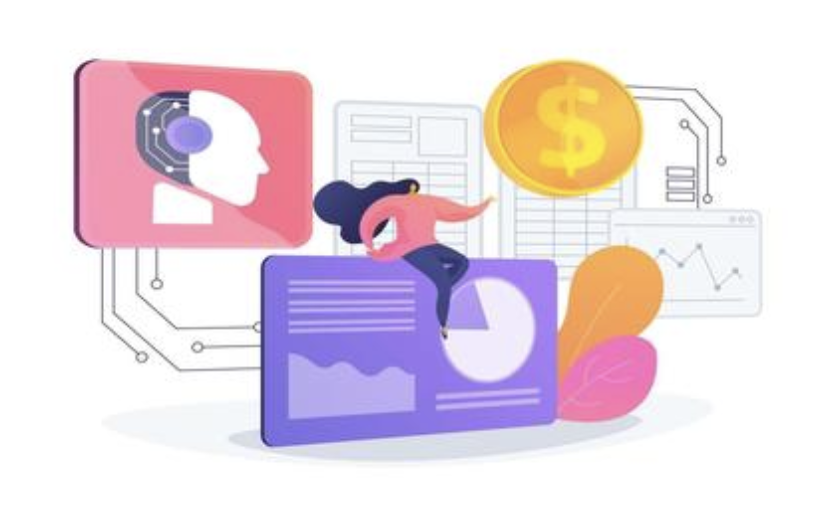
Innovative advisory tools paired with human specialists remove the necessity for constant market vigilance. AI algorithms evaluate complex data sets to make real-time adjustments to investment portfolios, while human advisors tailor strategies to fit individualized needs. This combination of human insight and AI technology reduces decision fatigue and enhances wealth management around the clock.
Cross-Border Tax Optimization
Structuring assets across borders is more than just enhancing diversification; it serves as an efficient tax strategy. Custom trusts for international beneficiaries and localized tax strategies legally minimize financial obligations. By positioning assets within favorable legal frameworks, wealth can expand more rapidly through decreased erosion, all without requiring additional time.

Equity Trusts for Business Continuity
Equity trusts address a fundamental challenge for business owners: maintaining control while achieving flexibility. They facilitate a smooth transfer of business equity, preventing tumultuous ownership changes. This organizational structure supports the success of businesses as owners scale back their involvement, transforming active management into passive wealth expansion.
Alternative Assets: Passive Cash Flow
Assets such as art trusts or private equity investments generate reliable income without active daily participation. These options thrive on long-term growth and organized payouts, severing the connection between time spent and profits earned. They enhance traditional investment portfolios, adding value that isn’t contingent on the investor’s time investment.
True financial liberty is realized by separating wealth from time constraints. Through the application of these financial strategies, high-net-worth individuals can shift from labor-intensive income generation to sustained, autonomous wealth accumulation—allowing time to enrich life rather than dictate it.
(Writer:Laurro)
Related Articles