Risk: The Core of Finance
advertisement
Finance is frequently misunderstood as merely a quest for profits, while at its heart, it is fundamentally about risk, influencing every choice, plan, and result. For individuals with considerable wealth, acknowledging that risk should not be evaded but comprehended and utilized is essential for achieving enduring financial prosperity. Every investment, whether it’s in private equity or high-end real estate, involves built-in risks, and the skill to manage these risks separates those who maintain wealth from those chasing transient profits.

In addition to evident market fluctuations, there are unseen risks—like changes in regulations, global conflicts, or liquidity shortages—that shape the financial environment. Wealthy individuals must look beyond superficial risks, as these hidden elements often have the most significant influence on their investment portfolios. A minor modification in policy within an important market, for instance, can diminish the worth of global investments, highlighting the necessity of proactive risk detection as a vital competence.
Risk Diversification: Not Just Asset Allocation
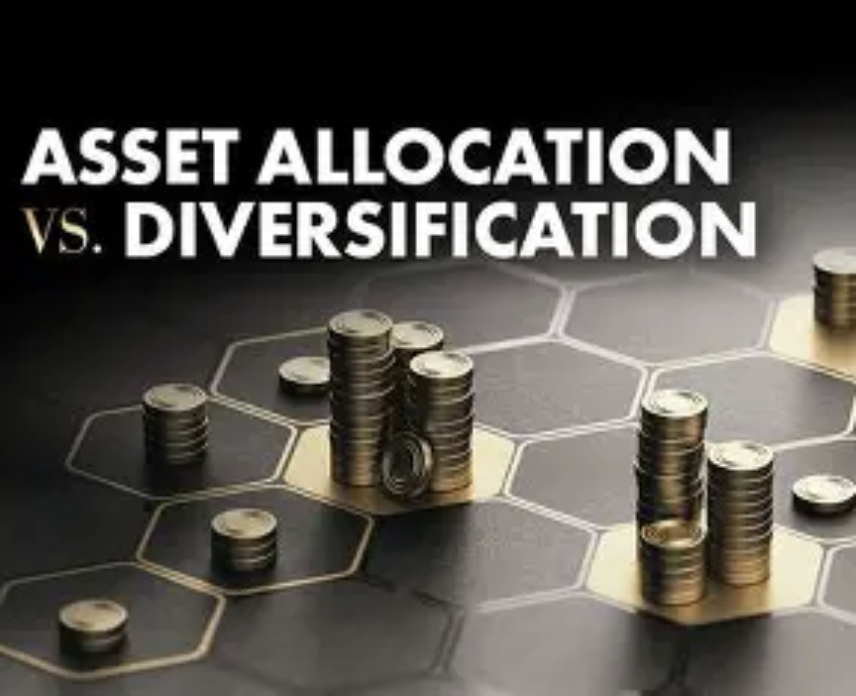
Genuine risk diversification encompasses much more than merely distributing investments among stocks and bonds. For wealthy investors, it means managing risk profiles across various asset classes, geographic regions, and investment timelines, including alternative investments such as artwork, private lending, or socially responsible investments. This multi-faceted approach doesn’t remove risk, but ensures that no singular risk incident can disrupt an entire wealth management strategy, transforming risk into a controllable element.
Risk Appetite: Aligning Ambition with Resilience
Risk appetite is not a static characteristic, but rather a variable equilibrium between the desire for growth and the capacity for financial endurance. Affluent individuals frequently adjust their risk appetite as their life circumstances, market fluctuations, and legacy aspirations evolve over time. Those who mistake daring for recklessness may face unnecessary risks, while excessively focusing on safety can lead to missed growth opportunities, demonstrating that fine-tuning risk appetite is crucial for financial achievement.

Risk Pricing: The Hidden Cost of Returns
Every return in finance is essentially a cost incurred for taking on risk, yet many wealthy investors fail to recognize this essential connection. Greater returns always come with increased risk, but the challenge lies in differentiating between appropriate and unreasonable risk. For example, a high-return private equity investment might involve considerable risk; however, when this risk is accurately valued and aligned with investment objectives, it turns into a tactical decision rather than an uncertain wager.
Mastering the art of risk pricing involves recognizing the difference between risks that are comprehended, quantified, and compensated and those that stem from avarice or lack of knowledge. Individuals who skillfully assess risk can prevent severe losses and transform market volatility into a lasting advantage in the long run.
Risk Adaptation: Thriving in Uncertainty
The most effective financial plans are not those that shy away from risk, but rather those that adjust to it. Wealthy individuals who accept risk as a fundamental aspect of finance create adaptable portfolios that can respond to market changes. They employ strategies such as hedging, dynamic portfolio reallocation, and scenario forecasting to transform ambiguity into prospects, demonstrating that risk is not only central to finance but also a driving force for long-term wealth enhancement.
(Writer:Lorik)
Related Articles