What's the Best Way to Repay a Mortgage?
advertisement
For affluent individuals seeking luxurious living experiences, settling a mortgage goes beyond just a monetary requirement; it serves as a calculated approach to wealth management. The optimal method for mortgage repayment is not dictated by strict rules but rather by harmonizing payment strategies with individual financial flow, long-term investment objectives, and lifestyle preferences. In contrast to typical homeowners who concentrate only on reducing interest rates, wealthy individuals have the potential to benefit further by harmonizing their mortgage commitments with opportunities for wealth enhancement. The essential aspect is to view mortgage repayment as an integrated element of the overall financial strategy instead of a separate debt that needs to be rushed to pay off.
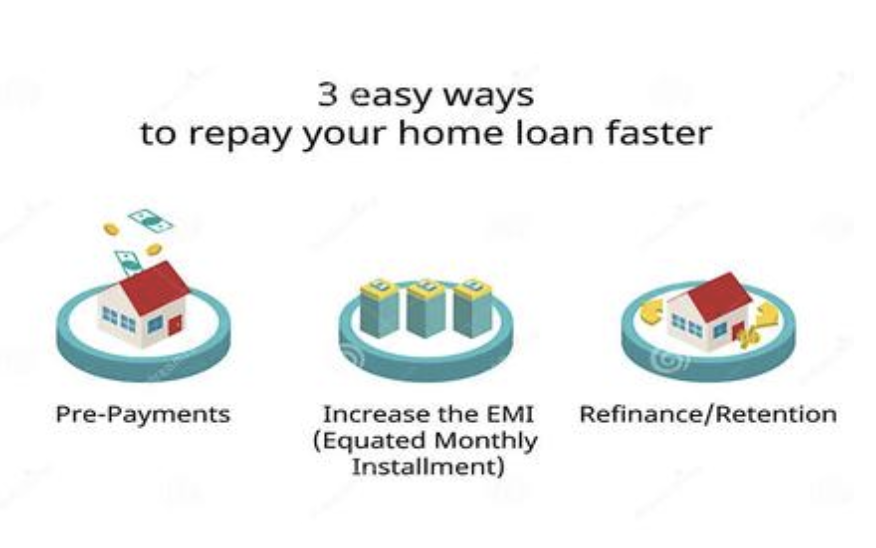
Prioritize Cash Flow Flexibility Over Hasty Repayment
For individuals who spend significantly, the best approach to handling mortgage payments begins with maintaining flexible cash flow. Hastily making large prepayments to settle the mortgage sooner can drain available liquid assets that might otherwise be invested in high-yield opportunities—such as private equity ventures, upscale real estate portfolios, or business growth initiatives. Choosing a systematic repayment scheme with feasible monthly payments allows for ample liquidity to capitalize on urgent investment possibilities while still progressively reducing the mortgage balance.
Leverage Low-Interest Rates for Strategic Investment Arbitrage
When mortgage rates are favorable, the ideal repayment strategy involves taking advantage of interest rate arbitrage. Wealthy property owners can redirect money intended for additional mortgage payments into investments that historically yield higher returns than the mortgage's interest rate. This method transforms the mortgage into a low-priced capital source, enabling wealth to increase more swiftly than the interest that accrues on the loan. For instance, allocating excess funds to dividend-generating stocks or private credit funds can produce returns that surpass mortgage expenses, fostering net asset growth over time.

Strategically applying partial prepayments can effectively balance the reduction of mortgage debt with the preservation of investment resources. High-net-worth individuals might utilize targeted partial prepayments gained from unexpected financial windfalls—such as bonuses, investment earnings, or proceeds from asset sales—as opposed to using regular earnings. This tactic lowers the principal amount (and consequently the total interest) while still allowing for a sufficient cash flow to cover daily expenditures or ongoing investments. Additionally, it grants the flexibility to modify the prepayment amounts depending on the financial performance each year.
Avoid Over-Leveraging: Maintain a Safe Debt-to-Wealth Ratio
No matter the repayment approach, the fundamental principle of effective mortgage management is to avoid excessive borrowing. Wealthy individuals should confirm that their mortgage debt and other financial obligations keep a healthy balance in relation to their overall wealth. This protective measure acts as a safeguard against market fluctuations, economic downturns, or unforeseen drops in income that could hinder their capacity to fulfill payment commitments. A responsible debt-to-wealth ratio makes sure that mortgage repayment remains a feasible component of the overall financial plan, rather than a threat to sustained prosperity.

In conclusion, the most effective mortgage repayment method for high-net-worth individuals is not a uniform approach but a calculated mix of cash flow maintenance, investment exploitation, alignment with life stages, and comprehensive wealth management. By moving past the typical emphasis on simply minimizing interest rates and instead weaving mortgage repayment into broader financial objectives, affluent homeowners can transform a potential financial burden into an asset that fosters wealth advancement, lifestyle consistency, and the preservation of legacy. The essential factor is to emphasize flexibility, alignment with personal aims, and careful risk management in all repayment decisions.
(Writer:Ciki)
Related Articles