Capital’s Invisible Hand: Reshaping Social Order
advertisement
Capital constitutes more than mere finances—it's a powerful element that alters societal structures, norms, and power relationships. Its presence goes beyond merely generating wealth; the movement of capital determines resource access, impacts cultural ethics, and redefines opportunity boundaries, fundamentally transforming societies in subtle ways that are often ignored by standard financial dialogue.
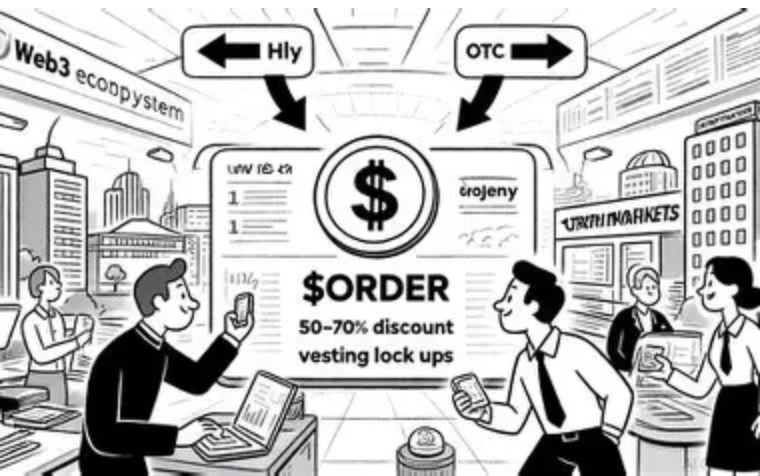
This unseen impact appears in concrete forms: funding directed towards technology startups can enhance digital skills as an essential societal competency, whereas financial backing in eco-friendly sectors can transform public attitudes toward environmental responsibility. As time progresses, these capital-driven transformations alter the perception of what is deemed "valuable" within a community—whether in job choices, purchasing behaviors, or local priorities—frequently modifying social structures and creating (or obstructing) opportunities for various groups of individuals.
Redefining Status Beyond Tradition
Traditionally, social standing was based on heritage, position, or profession. In contemporary society, capital has equalized and reshaped status, transferring authority to those who possess financial resources rather than hereditary advantages. Wealthy individuals utilize capital to influence cultural, political, and social environments, forging a new class insulated by financial strength rather than traditional lineage.
International capital movements are altering the geopolitical landscape, empowering countries and regions with robust financial frameworks. Sovereign wealth funds, private equity, and global investment networks enable capital to transcend national boundaries, aligning the interests of nations with financial rewards instead of ideological divides, thereby transforming alliances and global governance systems.
Rewiring Labor and Economic Norms
The quest for efficiency driven by capital is revolutionizing labor markets and workplace cultures. Venture capital stimulates the gig economy and technological startups, altering employment structures from permanent jobs to adaptable, project-based roles. This transformation modifies the social agreements between employers and employees, changing the expectations regarding stability, efficiency, and work-life integration.
Influencing Cultural Values and Priorities
Capital steers cultural movements by financing creative sectors, philanthropic efforts, and media outlets. Wealthy patrons and organizations influence public narrative by endorsing initiatives, art forms, and thoughts that align with their beliefs, guiding societal focus toward themes such as sustainability, technological advancement, or social equality—often linking cultural impact to financial motives.
Democratizing Access to Opportunity
Although capital can deepen disparities, it also broadens access to once-exclusive domains. Financial technology advancements, micro-lending, and socially responsible investing dismantle conventional barriers, enabling larger segments of society to engage in wealth creation. This democratization transforms social mobility, offering new avenues for progress founded on financial participation.
Capital propels urban growth, altering communities and social bonds. Investments in real estate, infrastructure, and technology centers change the urban landscape, drawing in talent and resources while displacing existing neighborhoods. This alteration modifies social interactions, leading to divided areas characterized by financial means instead of common identity.
Redefining Philanthropy and Social Responsibility
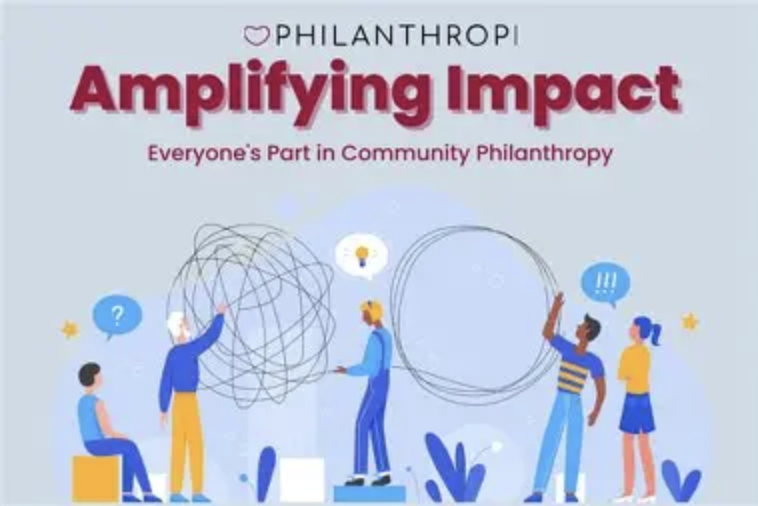
Contemporary capital has transformed philanthropy from simple charitable donations to focused social investment strategies. Impact investing and venture philanthropy link social benefit to economic returns, changing how societies confront issues like inequality, climate change, and health concerns. This evolution positions capital as a mechanism for comprehensive transformation rather than just addressing the symptoms of societal challenges.
The impact of capital on social order is not inherently good or bad—it mirrors the ways communities manage its distribution. For the wealthy, grasping this transformative capability is essential for navigating and influencing a realm where capital fulfills both financial aspirations and broader societal health.
(Writer:Juliy)
Related Articles