Health: The Underlying Leverage of Life & Finance
advertisement
Wealth generation and financial tactics often occupy the forefront, yet they are built on an implicit base—well-being. As the fundamental advantage of existence, well-being influences the length of wealth generation, the quality of financial choices made, and the endurance of wealth passed through generations. For individuals handling large financial portfolios, disregarding well-being poses not just a personal issue, but a structural defect that weakens even the sturdiest financial systems.

This signifies considering health-related expenses—not solely medical costs, but also preventive healthcare, exercise programs, and mental health initiatives—as essential elements of a comprehensive financial strategy. Focusing on these factors protects the capacity to make wise financial decisions over the long term, avoids expensive health emergencies that deplete resources, and guarantees that the heritage one creates can be both enjoyed and thoughtfully handed down.
Well-Being as a Long-Term Investment Foundation
High-value financial tactics, encompassing private equity and family wealth strategies, depend on extended time frames. Well-being directly influences this time frame: it allows investors to navigate market fluctuations, engage in illiquid assets with prolonged lock-up periods, and manage wealth transfer across multiple decades. An impaired state of health compels premature asset sell-offs or rushed choices, diminishing returns that would normally grow over time.
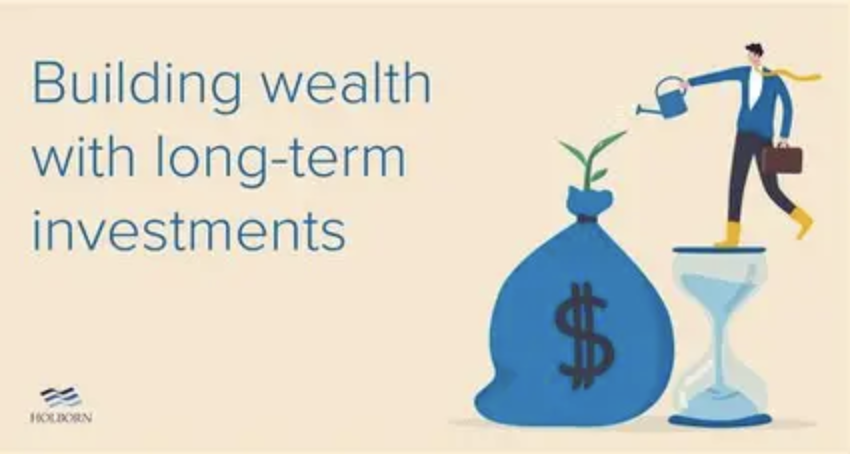
Wealth across generations flourishes not merely due to assets, but because of the capability to manage them effectively. Planning for health intertwines with estate and succession approaches — proactive wellness lifestyles, tailored healthcare coverage, and strategies for longevity guarantee that wealth managers (including family members or advisors) maintain the ability to implement long-term goals, circumventing interruptions from unforeseen health emergencies.
Health Oversight as a Financial Risk Management Tool
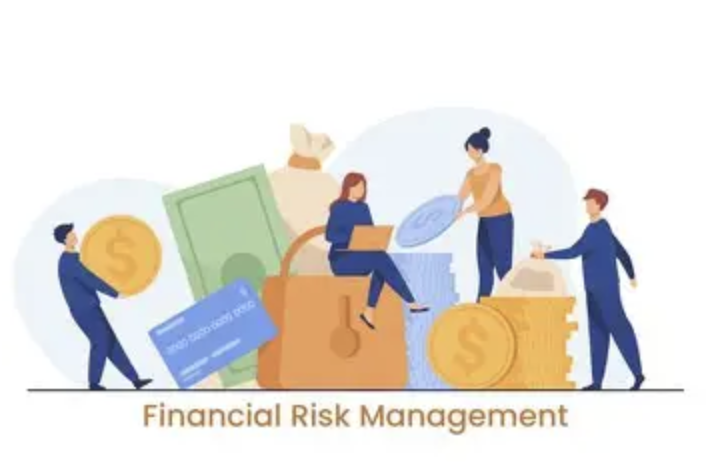
For affluent individuals, tailored health management serves as a financial safeguard. Beyond merely covering medical costs, it lessens the risks associated with decision-making fatigue or impaired judgment prompted by declining health. Family offices are increasingly incorporating health evaluations into wealth governance, recognizing well-being as a non-financial asset that supports portfolio performance and negotiation results.
International health services and cross-border assets create a mutually beneficial advantage. Access to elite medical services, longevity clinics, and wellness getaways—typically part of affluent lifestyles—complements offshore asset arrangements. For instance, health-focused residency programs can facilitate tax-efficient investments, converting wellness expenditures into strategic financial assets.
Health Strength and Market Volatility Resilience
Severe market fluctuations require composed, logical decision-making—qualities enhanced by good health. Investors maintaining strong physical and mental well-being exhibit less vulnerability to emotional responses, such as panic selling or overly aggressive investments. This strength transforms well-being into a protective barrier, ensuring that financial strategies stay intact amid turbulent times when others may struggle.
Planning for Longevity: Health-Driven Financial Progress
Improvements in well-being extend life expectancy, altering financial planning dynamics. Affluent individuals utilize health information to create innovative strategies—from longevity annuities customized to expected lifespans to impact investments in biotechnology that align personal health aspirations with financial gains. This combination elevates health from a passive underpinning to an active catalyst for wealth enhancement.
In summary, well-being is the ultimate leverage that enhances all financial endeavors. It is not a secondary issue, but an essential element of wealth continuity—demonstrating that genuine financial sophistication starts with caring for the body and mind that fuel every strategic decision.
(Writer:Dick)
Related Articles