Tech-Driven Consumption Upgrade: The Hidden Trap
advertisement
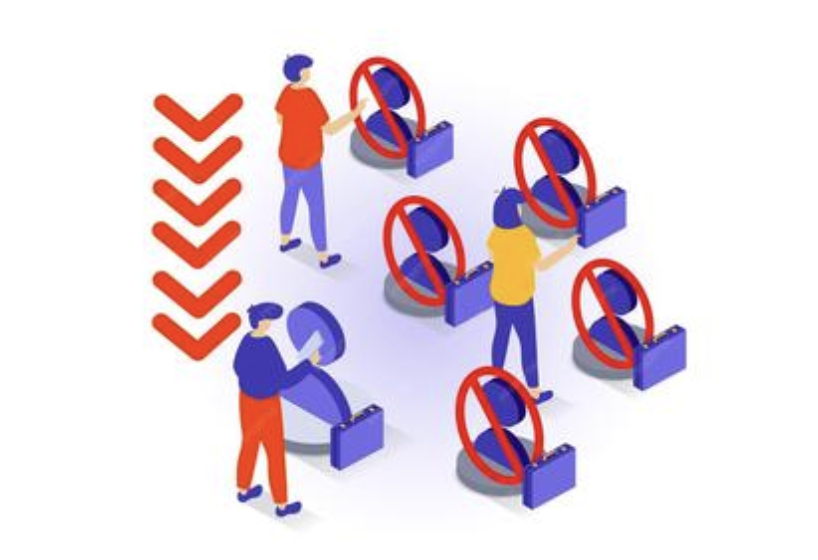
In a time when technology transforms every facet of existence, the phrase "consumption upgrade" has emerged as a popular expression, asserting improved living standards and enhanced experiences. However, individuals with considerable spending power often find themselves trapped in an unseen snare, unknowingly exploited by the very technology that purports to improve their lives. The appeal of cutting-edge devices and advanced services frequently conceals a more profound system aimed at fostering insatiable desire instead of true contentment.

The Deception of "Smart Essentials"
Technology firms adeptly present typical products as "smart essentials," persuading affluent consumers that they must make upgrades. For instance, a refrigerator enhanced with AI for food management is marketed as an upgrade for one’s lifestyle, despite the fact that its primary function—preserving food—remains the same. This perceived necessity is intensified through targeted advertising, leading individuals to feel antiquated if they opt for traditional options.
In the background, algorithms subtly direct purchasing decisions. Wealthy individuals, frequently targeted with customized tech suggestions, become victims of "information cocoons," where each interaction reinforces the belief that upgrading signifies achievement. These algorithms scrutinize browsing patterns, generating a deceptive sense of urgency, rendering even minor tech enhancements feel essential.
Disguised Planned Obsolescence
In contrast to the clear obsolescence seen in previous years, contemporary technology employs nuanced strategies to compel users to upgrade. Software updates are designed to deliberately slow down older gadgets, while new functions are often gated behind paid subscriptions. Premium brands regularly introduce "new versions" featuring slight modifications, like a different hue or a trivial improvement, stirring the desire to replace devices that are still fully operational.
This understated method of intended obsolescence compels buyers to engage in pointless purchases while also creating significant electronic refuse, skewing authentic technological advancement with marketing-focused upgrade intervals.
The Fallacy of "Luxury Tech Experience"
Numerous high-spending consumers willingly pay top dollar for "exclusive tech experiences," which frequently amount to mere marketing tactics. High-end technology brands impose inflated costs for logos or limited editions, even though their basic performance is only marginally superior to that of mid-range products. Chasing this illusion prompts individuals to overspend, blurring the line between brand prestige and actual usefulness.
Data Exploitation Masked as Personalization
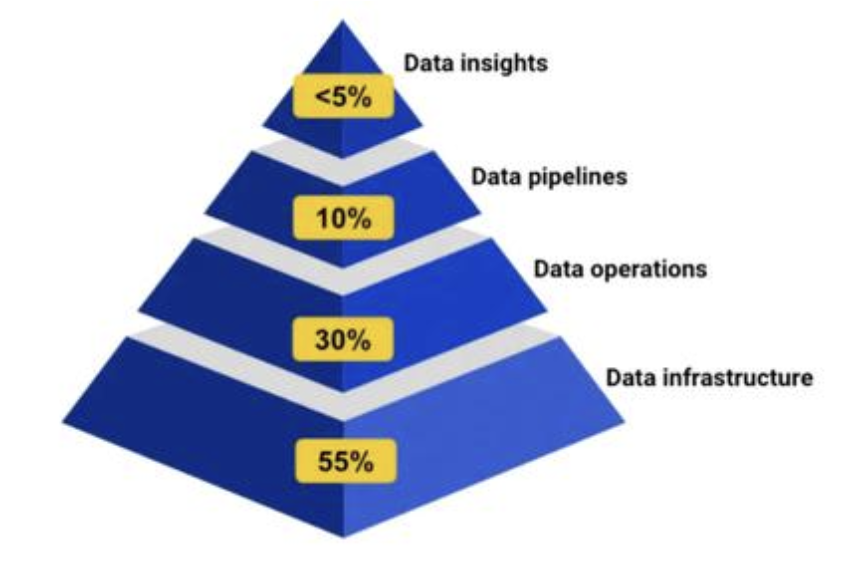
To deliver "personalized" tech offerings, companies gather extensive amounts of personal information from affluent users. This data is utilized to hone marketing tactics, creating increasingly targeted traps. What may appear to be a customized experience is in reality a means to exploit consumer preferences, rendering them more susceptible to impulsive upgrades that are unnecessary.
The Subscription-Based Tech Trap
Subscription models have risen to prominence in the tech industry, attracting customers with minimal upfront payments. High-spending groups, used to convenience, often enroll in several tech services without recognizing the total financial impact. These subscriptions entrap them in a cycle of ongoing payments, transforming one-off purchases into lasting fiscal obligations.

The core of being exploited by "consumption upgrade" stems from the misperception of technological novelty equating to real value. For individuals with significant purchasing potential, it is crucial to see past the allure, concentrate on genuine requirements, and resist being swayed by the illusions crafted by tech-based marketing strategies.
(Writer:Hoock)
Related Articles