How Capital Shapes National Policies
advertisement
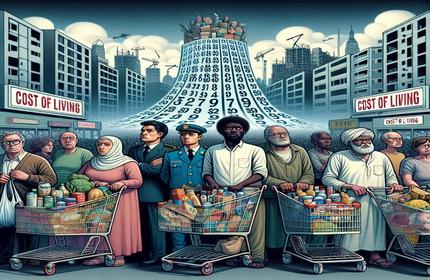
In the complex interplay between finance and governance, capital exerts a subtle yet formidable impact on national policies—an effect that goes well beyond merely funding campaigns or engaging in lobbying. For those who are deeply ingrained in high-stakes financial environments, this influence is more than just a rhetorical device; it is a concrete force that molds investment opportunities, safeguards wealth, and influences long-term economic pathways.Furthermore, the overwhelming amount of unrefined information frequently contains inaccurate or contradictory indications, obscuring decision-making and resulting in erratic investment decisions. Astute investors focus on reliable, confirmed data and utilize AI to eliminate distractions, bringing clarity back to their investigative approach.
Capital Mobility as a Policy Tool
Capital differs from fixed assets in that it is versatile—it can traverse borders instantaneously, compelling governments to vie for its attraction. Wealthy individuals and institutional investors possess the ability to channel capital toward regions that offer favorable policies, prompting countries to modify tax structures, regulatory systems, and economic incentives to prevent capital exodus.
The Quiet Power of Market Sentiment
While lobbying often receives substantial attention, the subtle influence of market sentiment can be more impactful. When investors lose confidence in certain policies—be it due to onerous regulations or inconsistent fiscal strategies—they withdraw their investments, provoking market fluctuations that compel policymakers to make adjustments, typically without drawing public notice.This subtle influence works considerably faster than official political procedures, establishing a silent cycle of reactions between legislative activities and financial markets. To prevent inciting adverse feelings, governments frequently modify their strategies in advance, maintaining both trust from investors and overall economic stability.

Wealth Aggregation and Policy Synchronization
A concentration of capital results in a concentration of influence. Individuals with considerable financial resources frequently possess shared interests—such as tax optimization, protection of assets, and steady growth—and their united voice, amplified by their financial strength, directs policies aimed at safeguarding and increasing their wealth, often in ways that remain unnoticed by the general population.
Infrastructure Investments as Leverage
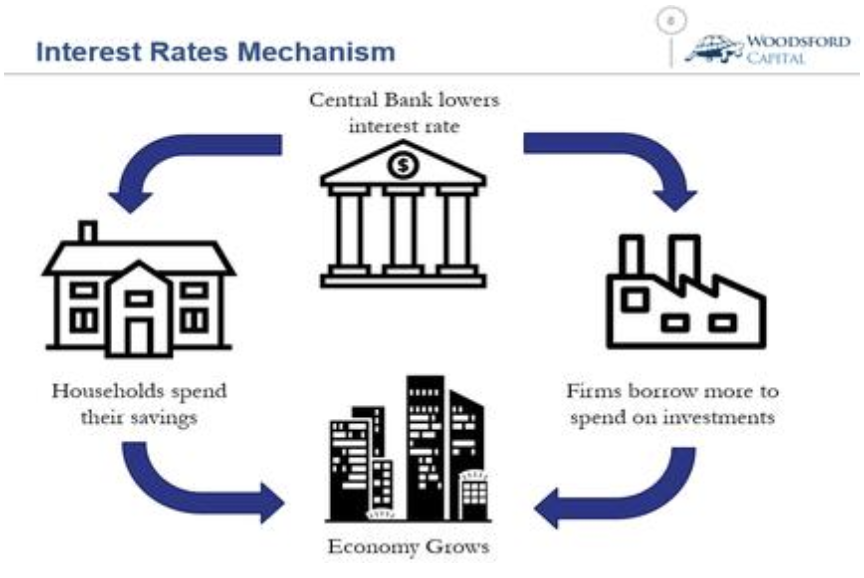
Investors, especially in industries like technology and energy, frequently link substantial infrastructure investments to policy concessions. Governments, keen to foster economic expansion and job creation, may ease regulations or provide incentives in return for these capital inflows, establishing a mutually beneficial relationship that alters policies in favor of financial needs.
Global capital networks establish a worldwide benchmark for policy. As multinational corporations and affluent investors operate in various countries, they advocate for consistent regulations—ranging from tax openness to trade policies—ensuring that the policies of one country align with international financial objectives, facilitating the movement of capital.
Crisis Response: The Emergency Role of Capital
In times of economic turmoil, capital acts as a crucial resource for governments. Those possessing liquid assets or investment capabilities frequently set the terms for bailouts or recovery strategies, as policymakers depend on their capital to stabilize markets, granting these capital holders significant sway over policies during crises.

This influence is not inherently unfavorable; it arises from the central role of capital in contemporary economies. For wealthy individuals, comprehending this dynamic is essential for navigating changes in policy—and capitalizing on them to safeguard and expand their wealth in an ever-changing global landscape.
(Writer:Lany)
Related Articles