The Most Expensive Consumption of the Middle Class
advertisement
When the middle-income group indulges in technology, they tend to concentrate on the price associated with high-end items such as flagship smartphones, premium laptops, or smart home packages as their most significant expenditures. However, the real financial burden stems not from the gadgets themselves but from the concealed, repeated, and frequently unnecessary consumption influenced by technology that subtly erodes their wealth. For individuals seeking to achieve prosperity, these overlooked expenses—disguised as "upgrades" or "necessities"—are often far more financially damaging than any individual device, ensnaring them in a cycle of excessive expenditure.
The middle-income demographic pursues the newest technology, not due to functionality, but to evade the feeling of being “behind the times.” Upgrading to the newest smartphones or wearables yearly—even when existing devices still perform efficiently—creates a pattern of waste. The actual cost involves not just the price of the device but the total expenses related to throwing away operational technology and purchasing replacements, a financial drain that seldom provides genuine value.
Subscription Overload: Quiet Technology Costs
The gradual financial drain caused by technology subscriptions—specialized streaming platforms, extra features for apps, enhanced cloud storage, or subscriptions for AI services—is little acknowledged. While these monthly payments may seem negligible on their own, they accumulate to thousands over the course of the year. Nonetheless, many middle-class individuals retain these subscriptions, wrongly perceiving “ease” as essential, making this one of their most significant and unnoticed financial burdens.

Expensive "Premium" Technology Accessories
Acquiring tech devices is merely the beginning; the middle class frequently spends excessively on accessories labeled as “premium.” Luxurious phone covers, high-end charging docks, or designer sleeves do not cost much to produce yet are sold for exorbitant prices, capitalizing on the urge to pair devices with a “status” image—an extravagant luxury that offers no practical advantage.
Hyped Technology Education: Costly and Unneeded
Numerous middle-class parents invest substantial amounts in tech-centric classes, coding workshops, or so-called “future-proof” educational tools for their children, believing these are wise investments. In reality, many of these offerings are overpriced, redundant with freely accessible online materials, and fail to impart the skills they promise—transforming earnest parental expenditure into an expensive error.
The appeal of a “smart home” prompts many middle-class families to acquire connected devices—smart thermostats, surveillance cameras, or voice-activated gadgets—that they seldom utilize. These systems incur substantial installation and upkeep costs, yet most functionalities remain dormant, converting a “luxury” into an expensive and underused liability.
Tech Replacement vs. Repair: An Expensive Pattern
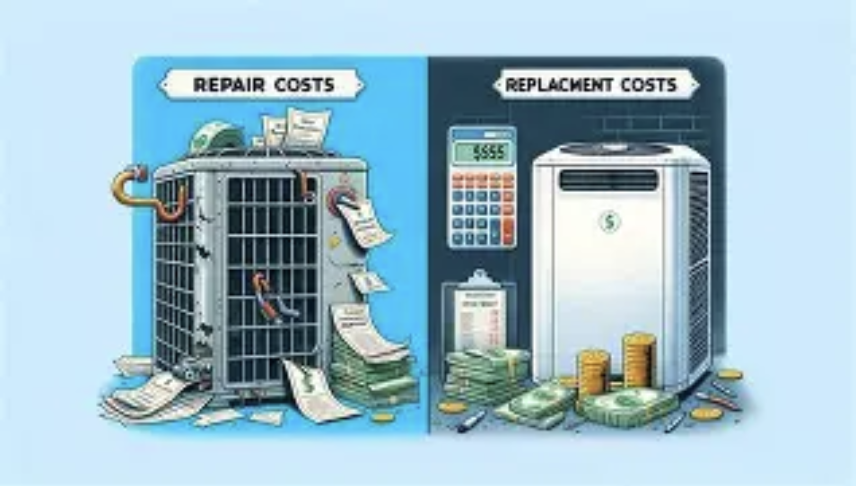
Rather than fixing malfunctioning devices, the middle class frequently opts for complete replacements. A damaged phone display or delinquent laptop battery could be repaired affordably, but the ease of purchasing new items—encouraged by technology marketing—results in unnecessary expenses, rendering this behavior significantly costlier than timely maintenance over the long run.
The most substantial technology-related expenses for the middle class do not originate from major purchases; instead, they arise from numerous small, ongoing, and unconsidered decisions that accumulate. For those seeking to accumulate wealth, the initial step involves looking past the price tags to recognize the hidden implications of tech-related spending, opting for genuine value rather than exaggerated claims.
(Writer:Juliy)
Related Articles