Entrepreneurship: Probability, Not Luck
advertisement
Many perceive entrepreneurship as a risky venture—take a chance, and you may either achieve wealth or lose it all. However, for those equipped to initiate businesses, reality is much more methodical: achieving success in entrepreneurship relies not on mere chance, but on assessing probabilities, managing risks, and favoring the outcomes. The distinction between a doomed startup and a prosperous enterprise does not hinge on luck, but on your capacity to evaluate, strategize, and adjust—transforming unpredictability into a measurable pathway to financial achievement.
Luck Is Random; Probability Is Strategic
Fortune is uncertain, transient, and beyond your influence—probability stems from analytics and deliberate decisions. Successful entrepreneurs do not depend on coincidental timing; instead, they investigate market deficiencies, scrutinize consumer patterns, and recognize trends that enhance their likelihood of success. Each choice, from developing a product to securing finances, represents a deliberate maneuver to elevate their chances.

Validate Ideas Before Betting Big
A frequent error is investing resources into an unproven concept—essentially wagering on chance. Astute entrepreneurs determine probability by first validating their ideas: executing small tests, obtaining consumer feedback, and assessing demand prior to significant investments. This minimizes the risk of failure by confirming the existence of a genuine market, transforming a blind gamble into an informed decision.

Diversify Your Entrepreneurial Bets
Similar to investing, distributing your entrepreneurial risks increases your success odds. Affluent entrepreneurs do not allocate all their funds to one project; instead, they initiate related projects, invest in specialized prospects, or support other promising innovators. This form of diversification ensures that a single setback doesn't undermine their financial ambitions, enhancing the overall success likelihood.
Risk Mitigation, Not Risk Avoidance
Entrepreneurs who rely on luck are apprehensive about risks; those focused on probability work to manage them. They don’t shy away from risk—they evaluate its probability and consequences, then implement strategies to lessen it: obtaining adaptable financing, creating backup plans, or collaborating with specialists to address knowledge deficiencies. This approach lessens the chance of extensive loss while keeping opportunities for significant gains available.
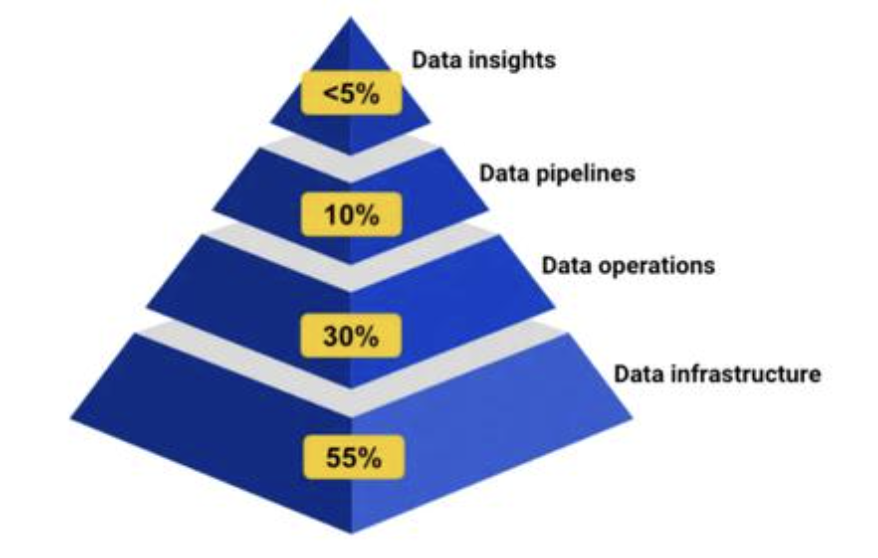
Information serves as the cornerstone of evaluating entrepreneurial probabilities. Successful founders monitor crucial indicators—customer acquisition expenses, retention rates, and revenue sources—to discern what is effective and what isn’t. They utilize this information to rapidly adjust, enhance their strategies, and increase their chances of success progressively, rather than depending on speculation or chance.
Treat Failure as Probability Feedback
Entrepreneurs who focus on luck interpret failure as poor fortune; those who prioritize probability regard it as valuable information. Every setback yields insights that can help refine their strategies, enhance their approaches, and improve their odds in future endeavors. Failure isn’t merely a setback—it’s an opportunity to recalibrate and stack the odds in your favor.
Entrepreneurship is not a game of chance—it involves assessing probabilities. For individuals who have the resources to initiate their ventures, the important aspect is to let go of the illusion of luck and focus on strategic planning. By confirming ideas, reducing risks, utilizing information, and establishing a robust network, you can transform unpredictability into chances, making entrepreneurship a dependable route to economic advancement.
(Writer:Cily)
Related Articles