Financial Freedom: Myth or Attainable Reality?
advertisement
Financial independence is frequently depicted as a hard-to-reach condition—where monetary constraints cease to influence decisions, and employment becomes voluntary. Nonetheless, the discussion continues: does this aspiration genuinely exist, or is it merely a fabricated ideal designed to encourage perpetual accumulation of riches? For individuals with resources, the solution lies not in a specific figure or goal, but in reimagining freedom through deliberate financial decisions that resonate with personal principles, rather than societal norms.
Reimagining Freedom: Beyond "No More Work"
The most significant misconception regarding financial independence is that it demands complete liberation from employment. Genuine freedom is rooted in having choices—the power to engage in meaningful work, decline unfulfilling roles, and place a higher value on time than on money. Wealthy individuals who adopt this perspective discover freedom not through inactivity, but by aligning their careers with their core mission.
Freedom as an Evolving State, Not a Fixed Objective
Financial independence should not be viewed as a destination, but as a fluid condition that adapts with different life phases. It transitions from the flexibility of early career years to mid-life considerations of legacy, eventually leading to the security of future generations. Those who consider it a fluctuating goal sidestep the disappointment associated with pursuing a single, unrealistic standard.

The Concealed Price of "Freedom" Lacking Direction
Having wealth does not equate to true freedom—it can sometimes lead to a lack of purpose. Numerous affluent individuals reach financial achievements yet still feel a sense of emptiness, coming to the realization that freedom without meaningful intent is hollow. Authentic financial independence necessitates that wealth is coupled with well-defined values, be it community service, family priorities, or individual development.
Freedom Calls for Resilience, Not Flawlessness
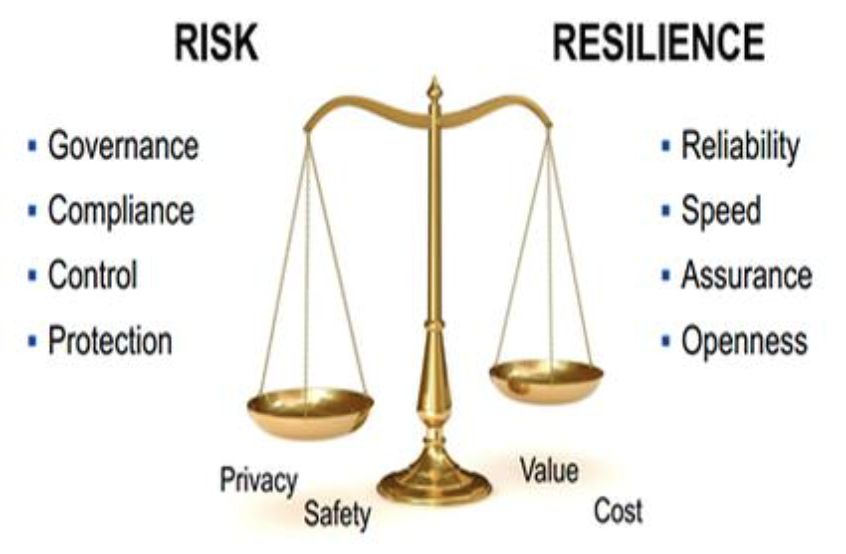
Achieving financial independence is not about eradicating all risks, but rather about cultivating the strength to navigate setbacks. Declines in the market, unforeseen costs, or significant life transitions can jeopardize even substantial investment portfolios. Those who achieve true freedom focus on maintaining liquidity, diversifying investments, and building emotional fortitude instead of adhering to strict financial targets.
In contrast to common perceptions, financial independence frequently arises from minimizing needs rather than amassing more resources. Wealthy individuals who practice intentional simplicity—eliminating unnecessary costs and concentrating on experiences that provide true value—discover freedom in minimalism, rather than abundance. This mindset alleviates financial pressures and broadens choices.
Generational Freedom: Beyond Personal Benefit
Genuine financial independence reaches beyond one’s own life span. It encompasses creating frameworks that empower future generations with the same level of freedom—imparting financial knowledge, establishing adaptable trusts, and nurturing a responsible approach to independence. This focus on future generations transforms personal wealth into a legacy that permits choice.

Financial independence is not merely a fantasy, but it also isn’t the singular dream as portrayed in popular culture. It is accessible for those who redefine it as a matter of choices, resilience, and meaningful purpose—rather than endless financial gain. For those with resources, the path to true freedom involves aligning monetary choices with what truly matters, transforming wealth into a powerful means of independence.
(Writer:Matti)
Related Articles