Wealth’s Amplifier: Emotions in Finance
advertisement
Financial assets themselves lack the ability to evoke feelings; rather, they function like a powerful amplifier—intensifying hidden anxieties, wants, and vulnerabilities into choices that influence wealth paths. For individuals possessing significant wealth, this interaction transcends mere psychology; it permeates investment approaches, plans for legacy, and even social engagements, converting emotional currents into concrete financial results.

Unregulated greed has the potential to drive investors to pursue assets that are excessively promoted yet lack inherent value, whereas overwhelming fear might cause them to sell off their investments too early during declines in the market—both situations diminish wealth at a much quicker rate than any outside market changes. In contrast, achieving control over emotions transforms this enhancer into an asset: serene patience supports strategies for holding investments over the long term, and structured hope directs well-thought-out investments in undervalued opportunities, harmonizing emotions with lasting financial advancement.
Fear & Greed in Volatility Cycles
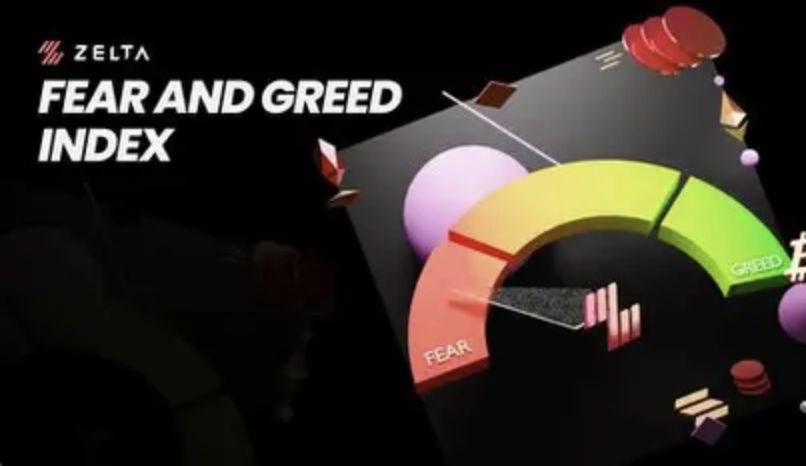
Wealth intensifies emotions during market volatility. A slight decline can feel disastrous when associated with portfolios in the millions, compelling investors to sell at a loss driven by heightened anxiety. In contrast, moments of fortune can provoke greed, leading to an inflated sense of confidence in risky investments like private equity or cryptocurrency—actions propelled not by analytical data, but by emotions amplified by the considerable finances involved.
Anxiety Projection in Wealth Inheritance
Financial resources intensify parental worries concerning legacy. Wealthy parents frequently transfer their unexpressed concerns—about children misusing funds, or not maintaining family principles—onto their inheritance frameworks. This increased anxiety results in overly cautious trusts, excessive monitoring, or unsuitable asset distribution, turning emotional fears into limitations for future heirs.

Status Anxiety in Elite Circles
Wealthy social groups view assets as a prism for heightened status emotions. A peer's acquisition of a new luxury item or lucrative investment opportunity can trigger increased insecurity, prompting hasty spending or unwise financial decisions to "keep pace." On the other hand, wealth can inflate feelings of superiority, resulting in dismissive actions that alienate important partners—all of these feelings exacerbated by financial comparisons.
Wealth increases the fundamental need for safety. High-net-worth individuals may disproportionately invest in low-return, “secure” assets due to heightened fear of financial loss, compromising future growth. Others might pursue extreme risks to feel a sense of control, investing heavily in unproven opportunities—both ends fueled by security-related emotions amplified by their wealth.
Altruistic Joy in Impact Investing
Financial resources elevate positive feelings associated with purpose-driven investments. Impact investments that reflect personal values yield greater satisfaction, as wealth transforms simple generosity into significant social progress. This emotional feedback loop fosters stronger engagement with charitable organizations and sustainable investments, merging financial benefits with enhanced fulfillment.
Liberation & Aimlessness in Financial Freedom
Wealth enhances deep emotional experiences related to existence. If wealth offers some individuals greater freedom—allowing them to leave unsatisfying jobs to pursue passions financed by their resources—others may experience a sense of aimlessness, as the absence of a financial “purpose” (earning) creates a void, leading to reckless expenditures or unfocused investments in an attempt to fill the emotional emptiness.
Wealth does not alter emotional foundations; it amplifies pre-existing feelings. For affluent individuals, mastering this interplay involves separating heightened emotions from financial decisions—employing strategy to utilize positive amplification and control the detrimental effects of fear, greed, and anxiety.
(Writer:Galli)
Related Articles