The Paradox of Over-Research: Losing While Trying
advertisement
Many people believe that more extensive research leads to improved financial outcomes, especially for individuals who have the means to examine intricate particulars. However, an intriguing issue affects even the most meticulous: the more you explore, the higher the chances of losing money. This contradiction arises not from insufficient effort, but from concealed traps that come with excessive scrutiny—hazards that often ensnare those able to invest excessively in research.
The Illusion of Control
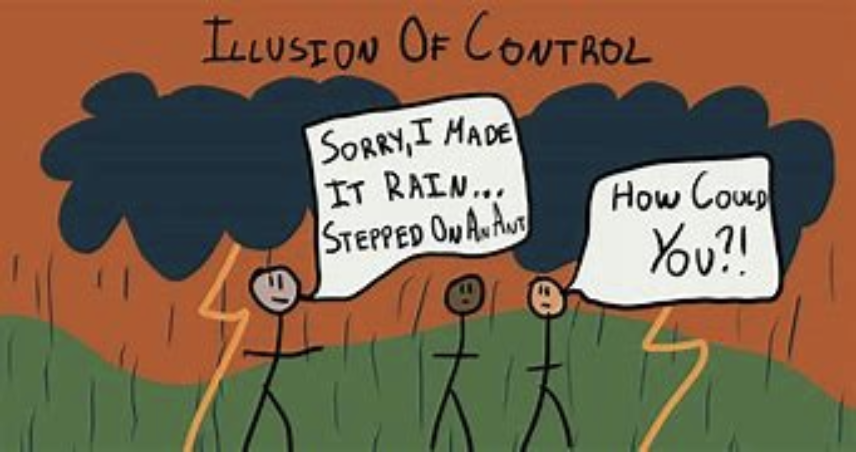
Excessive research creates an incorrect sense of mastery. By analyzing every piece of data, consulting industry experts, and creating numerous scenarios, you begin to think you can forecast results. This misplaced confidence results in bolder investments and a hesitance to accept losses, as you believe in your thorough work instead of market indicators. For those with significant wealth, this illusion increases risks—minor errors can lead to large losses when combined with overestimation.
Diminishing Marginal Insight
Research adheres to the principle of diminishing returns, although few recognize when they surpass the optimal point. The initial 80% of insights are derived from just 20% of the effort; the remaining 20% of information offers minimal value but demands an excessive amount of time and resources. Wealthy individuals frequently pursue these inconsequential details, confusing quantity with quality. This not only squanders resources but also clouds judgment, as irrelevant information obscures essential decision-making.
As you invest more time in research, your emotional attachment to your conclusions deepens. Acknowledging an incorrect decision feels like squandering hours of detailed work, leading you to cling to losing positions longer than necessary. This emotional bias intensifies for those who can afford to “ride out” losses, often overlooking that time can worsen the situation. The sunk cost associated with research becomes a psychological obstacle to making logical choices.
Overlooking the Unknowable
Excessive research concentrates on measurable, known factors while neglecting unpredictable events and unknown variables. Market dynamics are influenced by human behavior, geopolitical changes, and random occurrences—none of which can be entirely captured through data analysis. Those who over-research frequently become oblivious to uncertainty, assuming every risk can be quantified. When the unpredictable occurs, their rigid, data-driven strategies fail.
Analysis Paralysis Cycle
Too much research can result in indecisiveness, which in turn leads to lost opportunities or hasty decisions. High-net-worth individuals might postpone investments in search of “ideal” data, only to observe asset values increase without their participation. Conversely, they may overreact by making snap decisions to conclude the analysis process, disregarding their own research findings in irritation. Both extremes diminish returns.
Herd Mentality in Deep Research
Paradoxically, extensive research often drives individuals toward consensus. The same niche studies, expert analyses, and datasets are shared among wealthy investors, creating a herd mentality. By the time you have confirmed a “unique” insight, countless others have done so as well—diminishing its significance. What seems like independent research transforms into a crowded trade, with losses accumulating as everyone exits at once.

The answer lies not in reduced research, but in more selective investigation. Aim at gaining significant insights, accept uncertainty, and distinguish between the effort put in and the results obtained. For individuals who can allocate a substantial budget for analysis, the biggest benefit comes from recognizing when to cease further exploration.
(Writer:Weink)
Related Articles